
Discover the LepiLED in Tambopata: an innovative method to collect moths and microlepidoptera, unveiling the hidden biodiversity of the Amazon rainforest.
As part of the Discovering New Species project, you can participate in a unique experience: collecting lepidopterans using a light trap, an activity that many of our visitors have already experienced, allowing us to admire these small yet incredible organisms of the Amazon rainforest up close. The trap is strategically located in front of the majestic Tambopata River, creating the perfect setting for observation.
And there’s more! With the goal of expanding our possibilities for exploration and discovery, we have recently incorporated a new methodology: a cylindrical net with LepiLED in Tambopata.
The LepiLED is a special lamp designed to attract nocturnal insects, primarily moths. It works with LED lights of different colors (blue and green), which are especially appealing to them because they emit in the ranges of light where the photoreceptors of nocturnal lepidopterans are most sensitive.
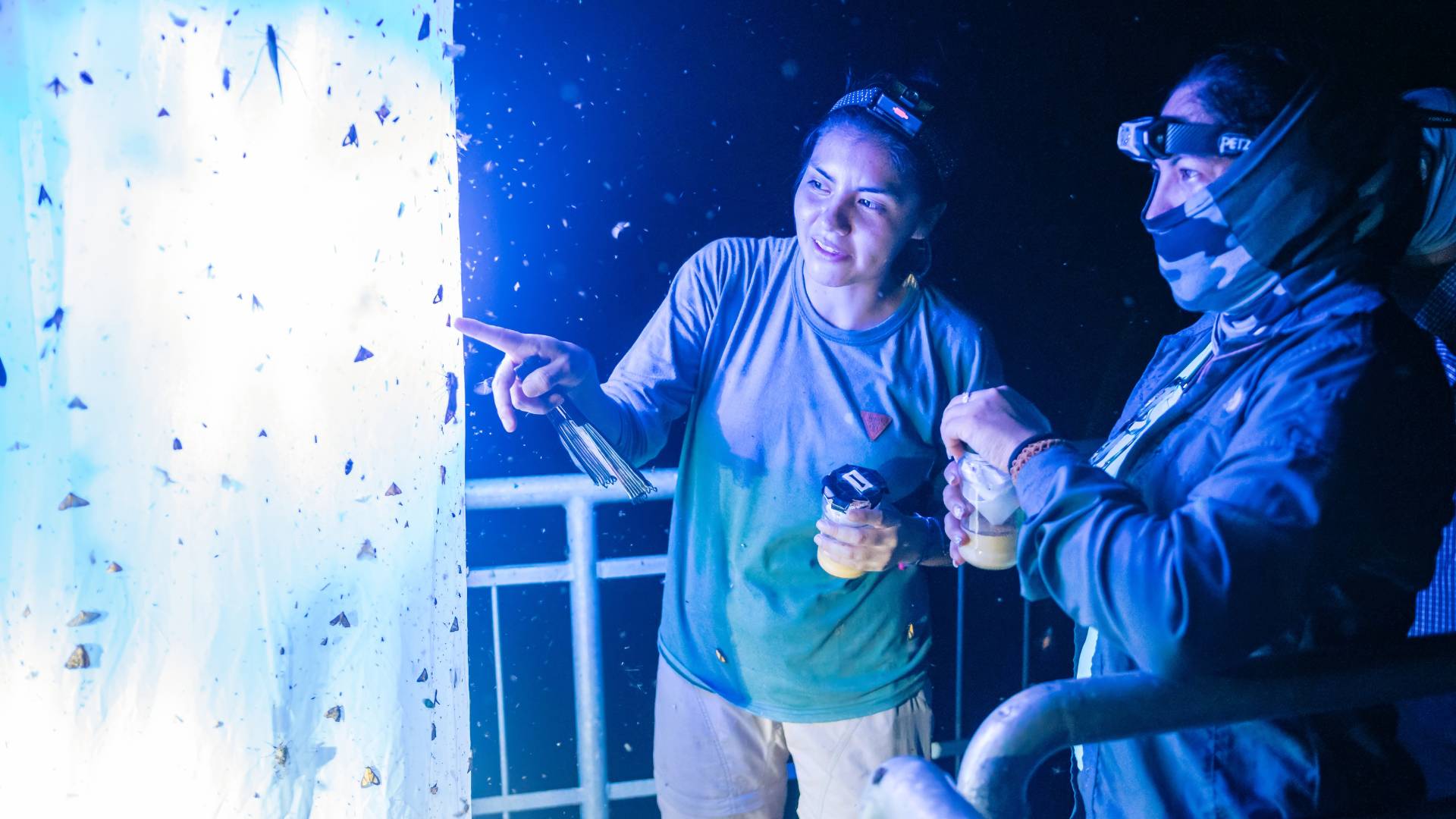
Wired Amazon Biologist collecting samples in the LepiLED light trap. Photos by Carlos Gonzalez
Unlike traditional lamps, LepiLED is lightweight, consumes little energy, and thanks to its portability, can be easily transported into the field. These features make it possible to use in remote areas and for long periods without access to electricity, facilitating sampling across diverse habitats and conditions. This allows us to better explore the diversity of insects present in the forest, especially microlepidoptera, small treasures that often go unnoticed.
The Discovering New Species project combines science, tourism, and citizen participation. Our visitors have the opportunity to experience scientific research firsthand, supporting the collection of nocturnal insects with LepiLED in Tambopata. Each collected specimen provides valuable data to expand the records of Amazonian biodiversity.
This type of innovation opens new doors to the knowledge of species not yet described by science.
In addition to using LepiLED in traditional light traps, we have incorporated the canopy tower at Rainforest Expeditions lodges as a collection point. This space allows us to record species from the upper strata of the forest, which rarely descend to the understory.
This unique type of collection, carried out by our researchers high above the canopy, provides unprecedented access to nocturnal insects that remain hidden from traditional ground-level methods.
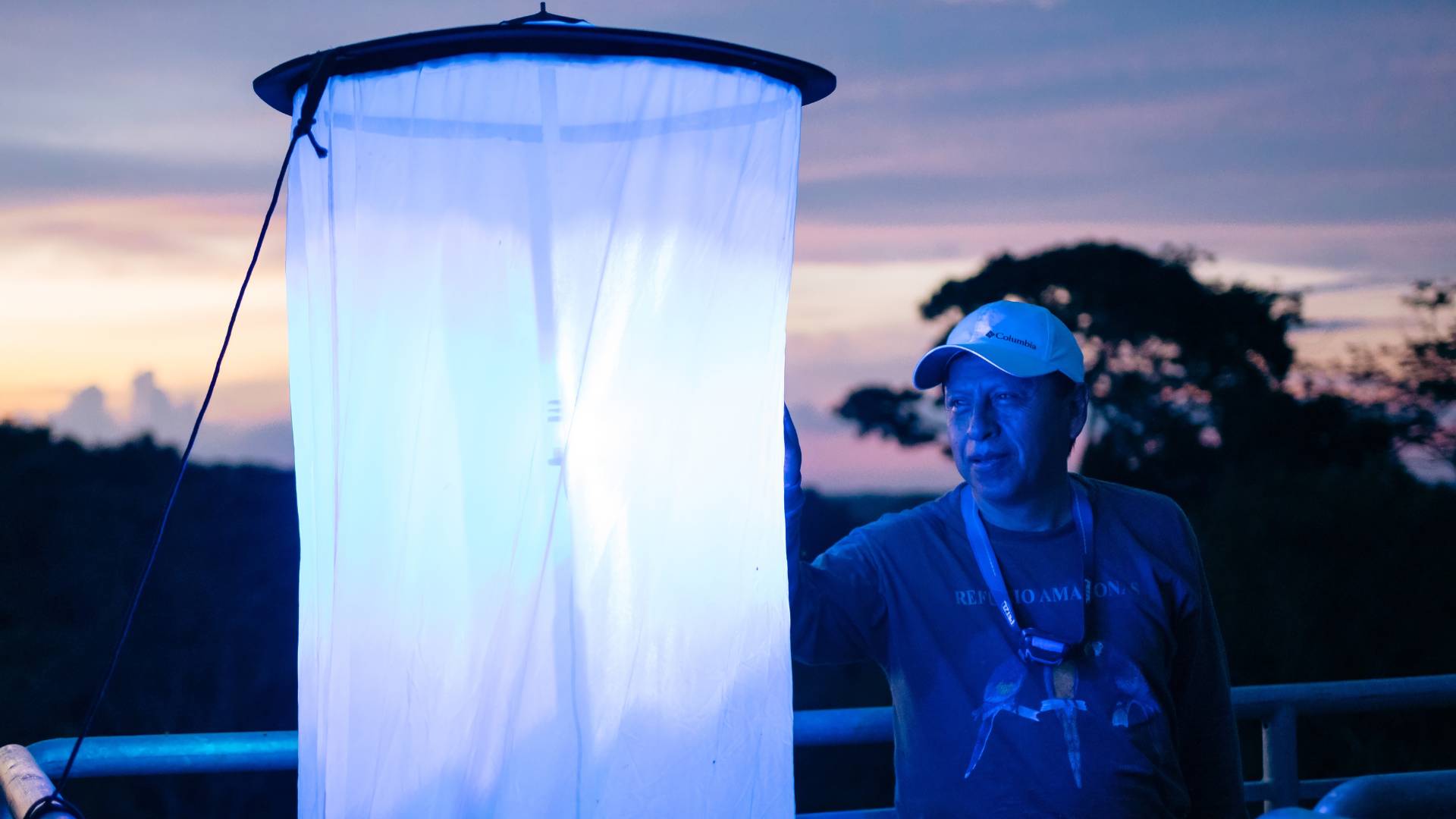
LepiLED light trap at the canopy Tower. Photo by Carlos Gonzalez
Microlepidoptera have limited dispersal ability and inhabit very specific areas, making them important bioindicators for understanding ecosystem health. Thanks to LepiLED in Tambopata, we can now more easily access this group, enriching the astonishing biodiversity of the Amazon.
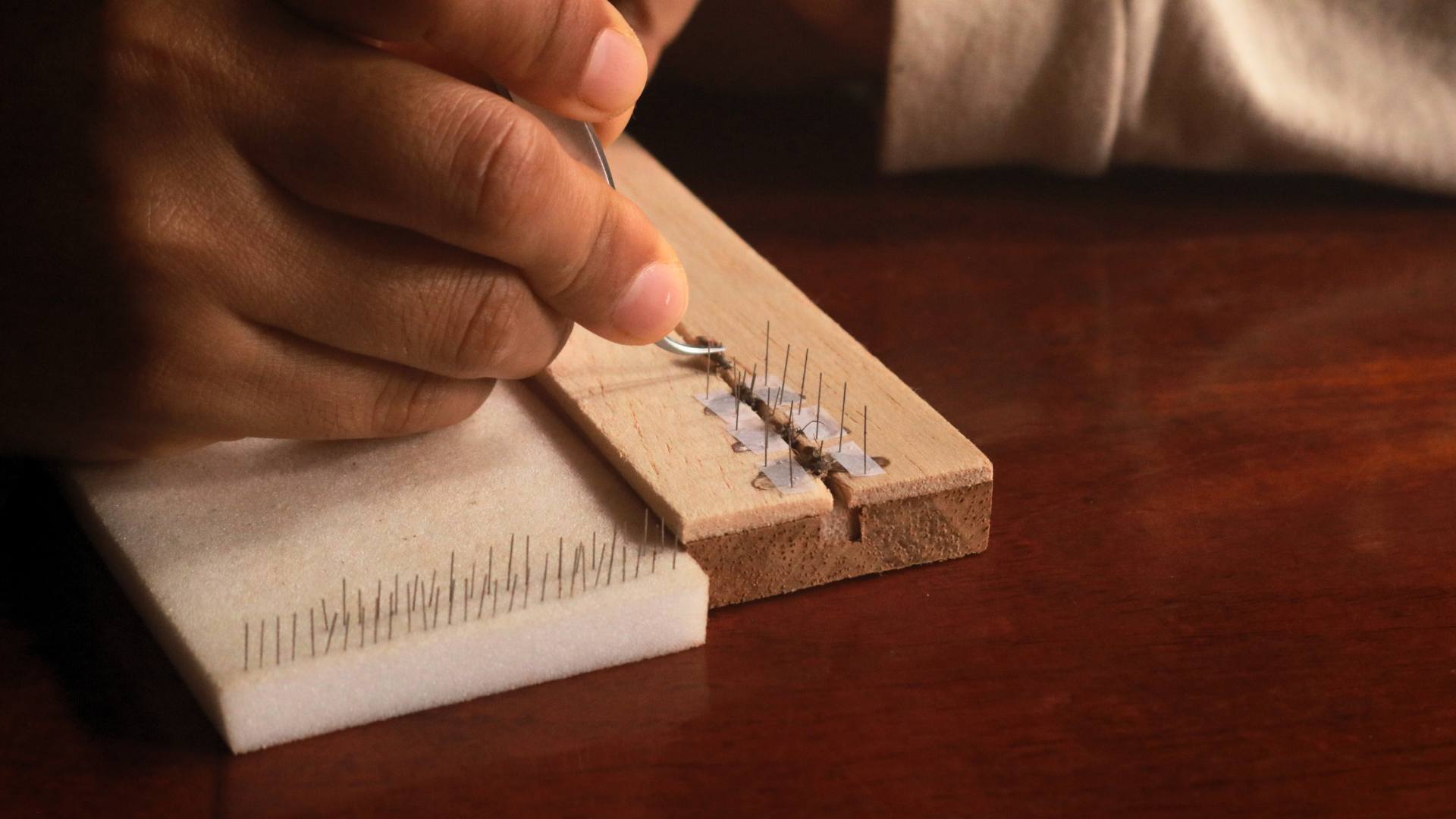
Microlepidoptera mounting in the Open Lab. Photo by Sebastian Fukunaga
With LepiLED in Tambopata, we continue to expand our records, especially in the search for microlepidoptera—small treasures that enrich the breathtaking biodiversity that surrounds us.
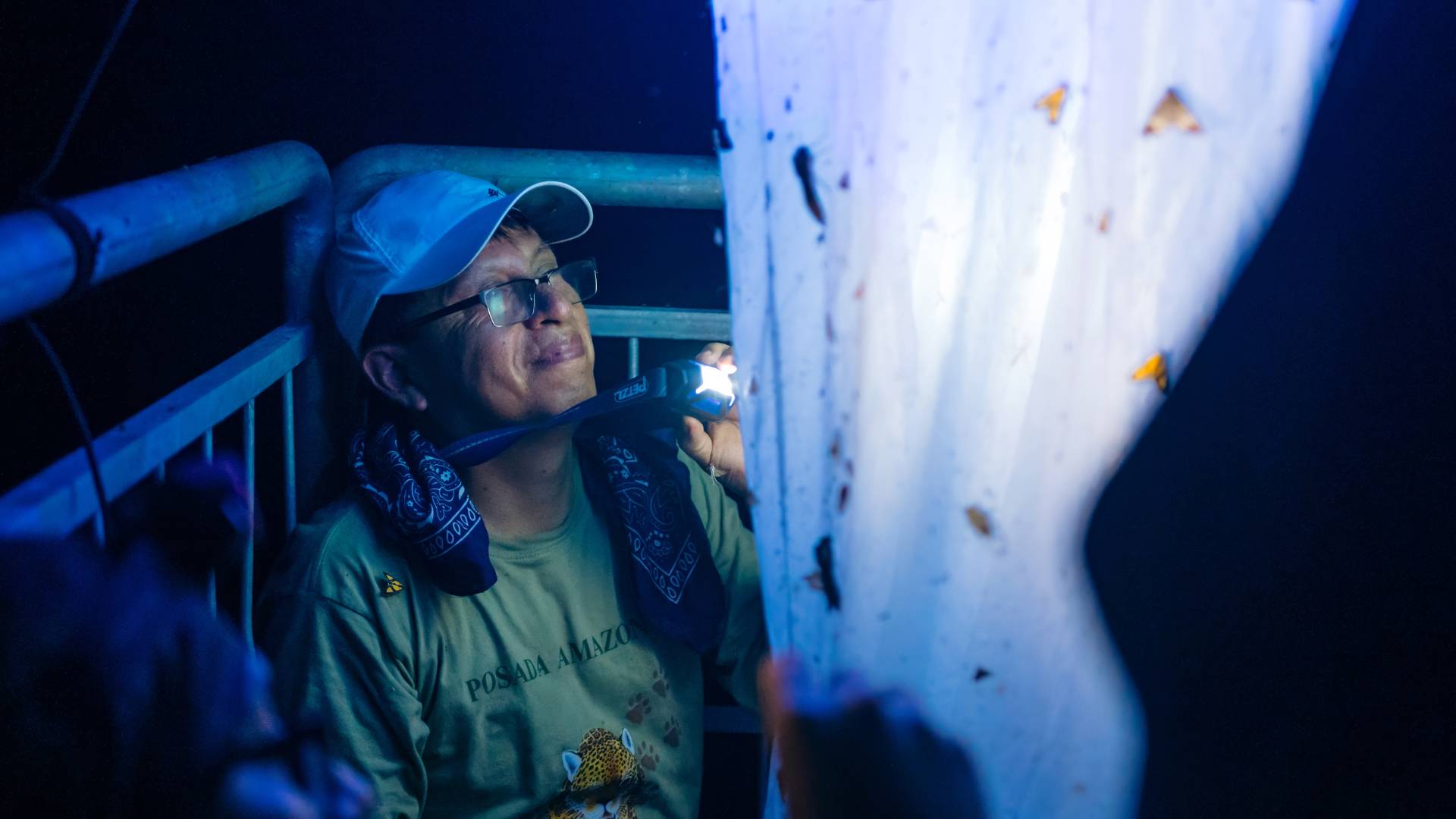
Juan Grados with the LepiLED light trap. Photo by Carlos Gonzalez
¨In Tambopata, human eyes are uncovering an unexplored world. ¨
Phrase by Juan Grados
